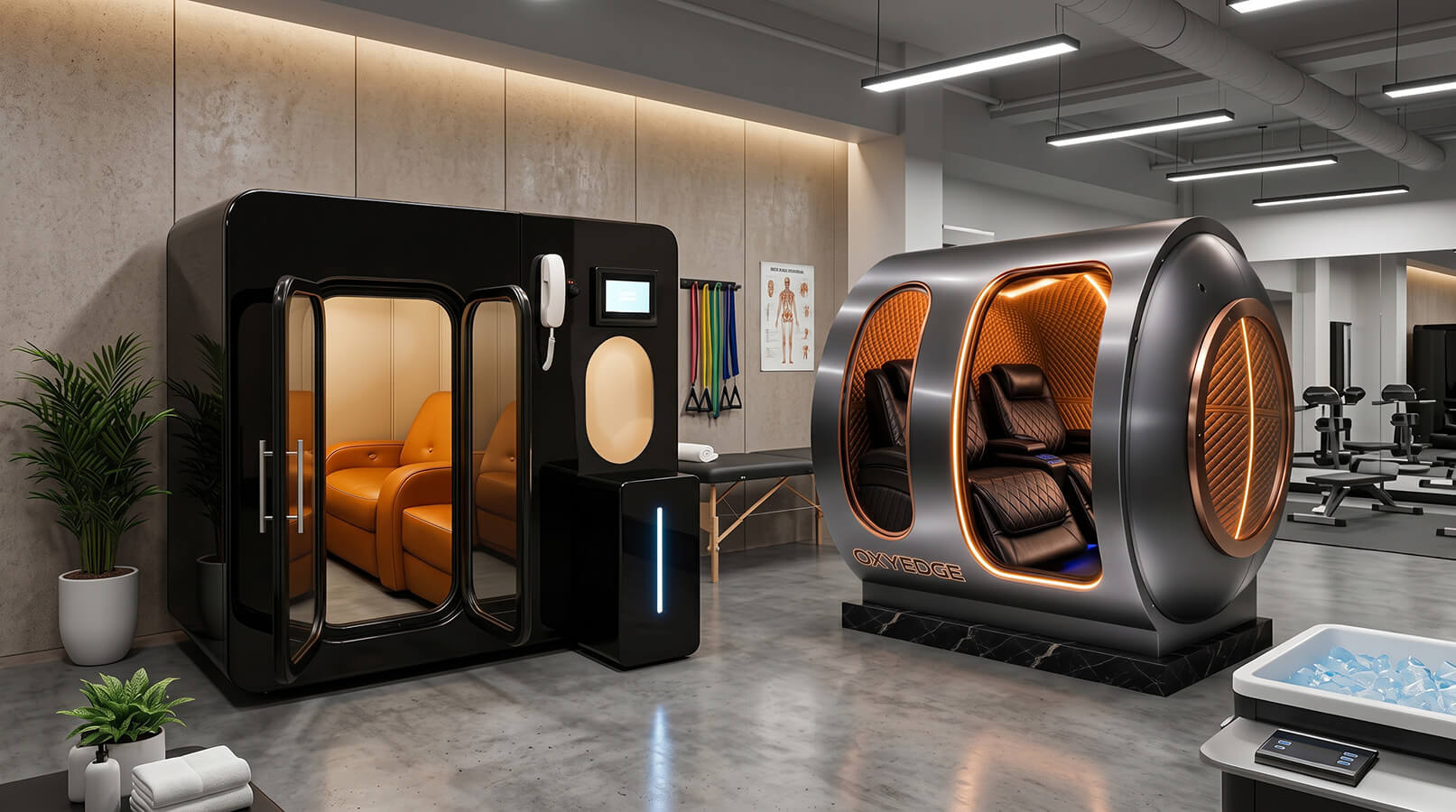
Buy Two Person Hyperbaric Chamber With Confidence
A decision to buy two person hyperbaric chamber equipment is not primarily about fitting two adults inside a larger cabin. For a serious wellness operator, it is a decision about session flow, guest comfort, staff workload, facility readiness, and the quality of the experience your brand delivers every day. The right chamber can become a flagship recovery asset. The wrong one can create avoidable installation constraints, inconsistent operations, and a premium service that does not feel premium in practice.
A two-person mild hyperbaric chamber should be evaluated as commercial equipment, even when it is intended for a private residence. Pressure capability matters, but so do the pressure vessel, controls, interior configuration, oxygen system, climate management, support model, and the practical realities of placing a large system in your space.
Why Buy a Two Person Hyperbaric Chamber?
The most obvious advantage is shared use. A couple may want to schedule sessions together at home. A wellness center may want to support a guest and an attendant, two friends, or two members booking the same time slot. Yet capacity is only valuable when the chamber preserves personal space, comfort, and a calm environment for both occupants.
For operators, a two-person format can broaden the service menu without requiring every session to be presented as a paired experience. A larger chamber can also be used by one guest who values room to recline, move comfortably, or avoid the confined feeling associated with more compact configurations. That flexibility can matter for luxury hospitality, athletic-performance facilities, and premium recovery studios where the guest experience is part of the product.
There is a trade-off. A larger chamber requires more dedicated floor area, more planning for access and placement, and a larger capital commitment than a single-person model. It may not produce the best return if a center has limited appointment demand or a room that would be better served by multiple compact systems. Capacity should follow your operating model, not simply the assumption that bigger is always better.
Pressure and Engineering Come Before Amenities
Start with the pressure rating and the construction behind it. Mild hyperbaric chambers are non-medical wellness equipment, not devices intended to diagnose, treat, cure, or prevent disease. Buyers should understand the distinction clearly, particularly when creating staff education, guest materials, and marketing programs.
For premium chamber buyers, a hard-shell pressure vessel offers a fundamentally different ownership proposition from a soft-sided chamber. It is designed around durable construction, a more refined physical presence, and sustained operation. Systems rated up to 2.0 ATA are often considered by operators who want a higher-performance mild hyperbaric environment and a more substantial equipment platform for regular use.
The listed ATA rating should not be assessed in isolation. Ask how the system manages pressurization, what controls the guest and staff can access, how oxygen is supplied, what communication provisions are included, and how the chamber is intended to perform over repeated sessions. A polished exterior does not replace engineering discipline.
A premium chamber should also make operation legible. Touchscreen control, automated session settings, clear status information, and intuitive controls reduce the opportunity for staff confusion. OxyEdge OS™, for example, is designed to bring chamber controls into a more organized touchscreen operating environment. For a center owner, that can support a more repeatable guest handoff and a cleaner staff-training process.
Comfort Is an Operational Requirement
Guests do not judge a chamber by technical specifications alone. They notice entry height, door operation, seat support, temperature, airflow, interior finish, lighting, and whether they can settle into the session without feeling crowded. In a two-person configuration, these details become even more visible.
Consider how two adults will actually occupy the space. Are they seated upright, reclining, or positioned in a mixed configuration? Does the layout leave sufficient shoulder room? Can guests enter and exit without an awkward sequence? Is there a comfortable way to accommodate different body sizes? A chamber that technically holds two people may not deliver a luxury two-person experience.
Climate control is especially relevant in frequent-use environments. A chamber that becomes uncomfortable between sessions can affect satisfaction and slow turnover. The same applies to seating. Electric recliners, massage seating, and integrated red-light features may not be essential for every location, but they can strengthen a flagship offering when they support the experience your business is selling.
For home buyers, comfort often determines whether equipment becomes part of a sustained routine or an expensive room feature. For commercial buyers, comfort influences reviews, repeat visits, memberships, and referrals. It deserves the same attention as the pressure specification.
Plan the Room Before You Place an Order
A two-person chamber is a facility project, not a parcel delivery. Before selecting a model, confirm the room dimensions, ceiling height, doorway widths, hallway turns, floor conditions, electrical requirements, and access route from unloading to final placement. Measure more than once. A chamber can fit on a floor plan and still be difficult to move through a finished building.
The equipment location should also support a premium guest experience. A recovery room needs enough surrounding clearance for safe access, cleaning, service, and staff interaction. It should not feel like a storage area with a chamber placed inside it. Consider sound, privacy, ventilation, lighting, nearby changing facilities, and the flow between reception and the session room.
For hospitality and multi-service facilities, placing the chamber near complementary offerings can improve session packaging. A cold wellness system, full-body red-light bed, or PEMF wellness mat may create a more complete recovery suite. That does not mean every modality belongs in one room. The goal is a coherent guest journey and a layout your team can manage efficiently.
Installation planning should also include local requirements. Building, fire, electrical, occupancy, and business-use considerations can vary by jurisdiction and property type. Work with qualified local professionals where needed, and use the manufacturer’s installation guidance rather than making assumptions based on a residential setup.
The Best Configuration Depends on Your Revenue Model
When evaluating whether to buy a two person hyperbaric chamber, define how it will earn its place in the facility. A boutique recovery studio may use it as a premium bookable service, a membership upgrade, or a private paired session. A gym may position it as part of high-tier recovery access. A luxury residence may prioritize comfort, aesthetics, and owner convenience over session throughput.
The expected utilization rate changes the equipment decision. A chamber operating several times daily needs commercial-grade construction, operationally simple controls, dependable support, and a service strategy that does not leave your schedule exposed. A home unit used by two family members may place more value on quiet operation, interior refinement, and easy owner controls.
Also consider the role of staff. If guests will use the system with staff oversight, training and session procedures should be designed before launch. If the chamber is part of an unattended access model, the operator must be even more deliberate about access controls, guest education, screening processes, and local compliance obligations. Equipment features cannot replace disciplined operations.
Support, Warranty, and Ownership Matter After Delivery
A chamber is a long-term capital asset. The sale price is only one part of the ownership equation. Ask direct questions about warranty coverage, U.S.-based technical support, training, replacement parts, delivery coordination, installation resources, and the process for resolving an operational issue.
For center owners, downtime has a measurable cost. It interrupts booked sessions, affects member confidence, and puts pressure on front-desk staff. A supplier should be prepared to discuss support in practical terms, not only in broad promises. Look for clear warranty language and a support structure aligned with the level of investment.
A premium two-person system should also protect your brand presentation. Its fit, finish, controls, and interior should look appropriate next to the rest of your facility. In a high-end setting, equipment that appears improvised can undermine the value of even a well-designed service menu.
The right chamber is the one that fits your space, operating cadence, guest expectations, and long-term standard of ownership. Buy for the experience you intend to deliver repeatedly, then build the room, training, and support plan to match it.
Source: https://oxyedge.ai/buy-two-person-hyperbaric-chamber