What a Hyperbaric Chamber Control System Should Do
A premium chamber is only as practical as the controls that run it. The hyperbaric chamber control system determines how confidently staff can prepare a guest, manage a session, respond to changing comfort needs, and return the equipment to service. For a wellness center, that is not a minor convenience feature. It is part of the operating model.
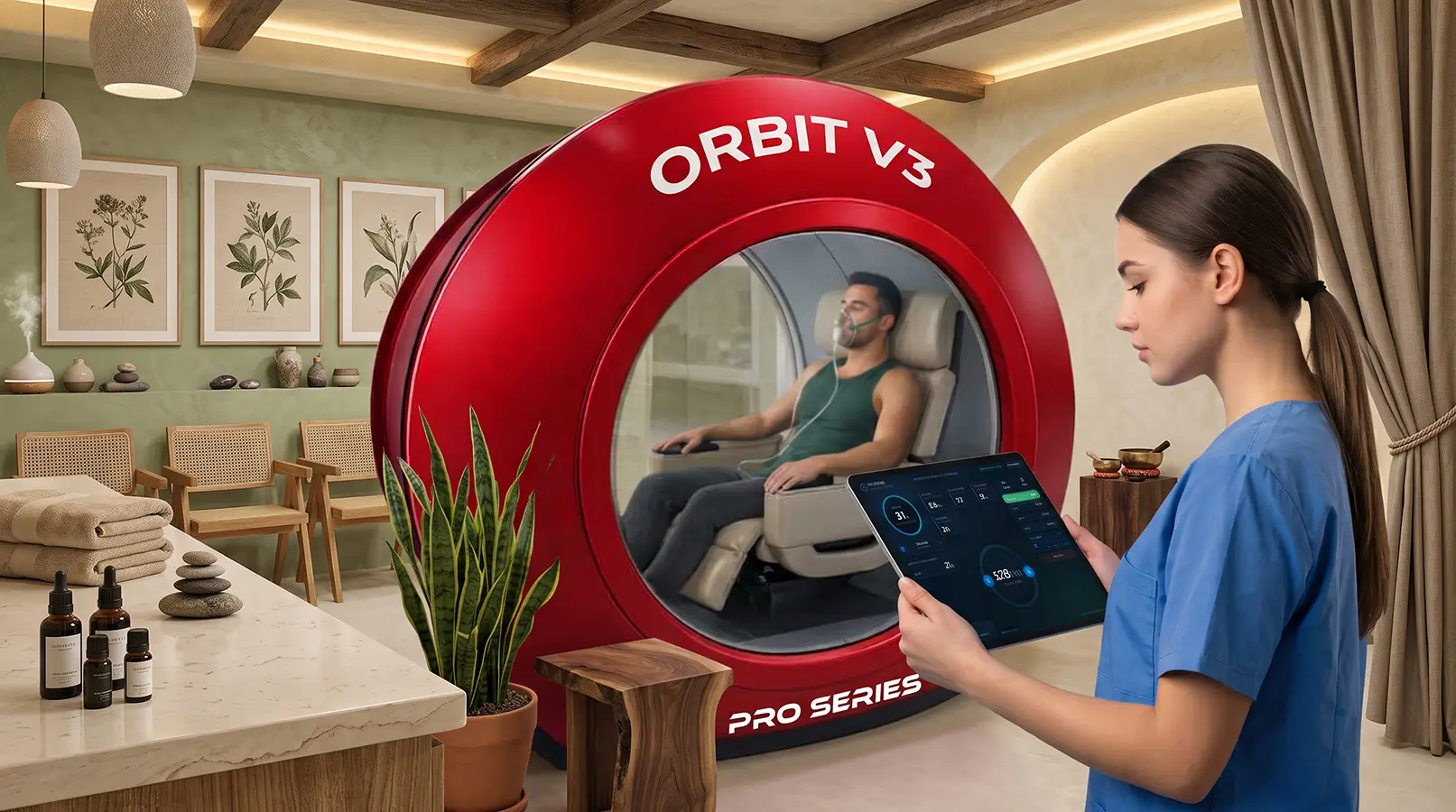
Hard-shell mild hyperbaric chambers are substantial capital equipment. Their pressure vessel, air-management components, oxygen delivery equipment, climate systems, and comfort features must work as a coordinated experience. A well-designed control platform brings those functions into a clear operator interface rather than forcing staff to manage a session through scattered switches, manual workarounds, or guesswork.
Control Is an Operational Advantage
For boutique recovery concepts, athletic-performance facilities, and luxury wellness studios, consistency is what turns an impressive piece of equipment into a repeatable service. Guests may be new to a chamber environment. Staff turnover may occur. Peak-hour scheduling leaves little room for complicated setup procedures.
A thoughtfully engineered hyperbaric chamber control system helps standardize the experience from one appointment to the next. The operator should be able to confirm chamber status, begin an approved session sequence, monitor the environment, and make appropriate comfort adjustments without distracting from the guest relationship.
That does not mean a touchscreen replaces training or operational policies. It does mean the interface should support them. Clear status information, logical controls, visible alerts, and purpose-built session workflows reduce unnecessary variation between operators. For an owner building a premium service menu, that consistency protects the customer experience and makes staff onboarding more manageable.
The Interface Must Work Under Real Conditions
A chamber control screen is not evaluated in a showroom alone. It is evaluated between appointments, when a staff member is helping a first-time guest, answering a question about comfort, and preparing the next room.
The best interfaces prioritize readable information. Operators should not need to interpret a dense engineering display to understand whether the chamber is in its normal operating sequence, what settings are active, or whether attention is required. Controls should be deliberate rather than overly simplified, with access designed around the people authorized to operate the equipment.
A premium system also benefits from physical controls and clearly defined safety functions where appropriate. Digital interfaces are highly capable, but the equipment design should never treat a screen as the only safeguard. Pressure vessels require disciplined engineering, defined operating limits, maintenance procedures, and trained users.
What a Commercial-Grade System Should Coordinate
The control platform is the point where several chamber systems meet. The exact feature set depends on chamber configuration, intended environment, pressure rating, and optional equipment, but the platform should coordinate the functions that affect session delivery and guest comfort.
For a hard-shell mild chamber, this generally includes pressure-cycle management, environmental controls, oxygen concentrator coordination where supplied, communication or entertainment features, and condition monitoring. In higher-end configurations, the system may also manage integrated red light, electric recliners, massage seating, or other comfort-focused accessories.
The distinction matters because add-on features can either elevate the experience or create operational friction. A luxury reclined chamber with climate control and integrated wellness modalities should not require multiple remotes, separate startup routines, and manual notes from one employee to another. When controls are integrated intelligently, the guest experiences a polished session rather than a collection of disconnected devices.
Pressure Management Is Not a Marketing Feature
Pressure capability attracts attention, especially when operators compare chambers rated up to 2.0 ATA. Yet the operational value is not found in a number alone. It comes from the pressure vessel design, control accuracy, programmed operating behavior, component quality, and the manufacturer support behind the equipment.
The system should guide the intended pressurization and depressurization sequence in a controlled manner while displaying understandable operating information. A facility should also have documented procedures for use, cleaning, routine inspection, and escalation if the equipment indicates a fault condition.
Pressure ratings, configuration, and permitted use can vary by model and installation environment. Operators should evaluate the complete system rather than selecting a chamber solely on a headline ATA figure.
Comfort Controls Affect Utilization
A guest who finds the environment uncomfortable is less likely to return, regardless of how refined the chamber exterior looks. Temperature, airflow, seating position, lighting, and in-chamber communication all influence whether a session feels premium and approachable.
That is especially relevant for hospitality properties and membership-based facilities, where the experience must align with the rest of the brand. Climate-control settings should be straightforward for staff to manage. Communication should allow the guest and operator to remain connected without creating an intrusive atmosphere. On multi-user or walk-in configurations, the operator must be able to maintain oversight while preserving a calm, high-end environment.
Comfort is also an efficiency issue. When guests can settle into the session without repeated adjustments, staff can remain focused on service, room turnover, and facility operations.
Designing for the Right Operator
A home buyer and a multi-location studio owner need different things from a control system. Both benefit from clarity and reliability, but the commercial operator must consider throughput, delegation, and presentation at a higher level.
For a private residence, an owner may prioritize an intuitive touchscreen, simple session preparation, climate comfort, and long-term technical support. The system should feel appropriate for regular personal use without requiring the owner to become an equipment specialist.
For a wellness center, the questions become more detailed. Can newly trained staff operate the chamber according to established procedures? Is the interface clear enough to support a consistent guest handoff? Does the chamber configuration fit the appointment length, staffing model, and physical footprint? Can service and support be accessed without creating extended downtime?
OxyEdge OS™ is designed around this operator-centric view, bringing chamber functions into a modern touchscreen platform for premium mild hyperbaric environments. That approach is particularly valuable when the chamber is part of a broader recovery offering that includes cold wellness, red light, or PEMF equipment. Each modality may have its own workflow, but the customer should experience a facility that feels organized and professionally managed.
Questions to Ask Before You Buy
A control system deserves the same scrutiny as the chamber shell, compressor, concentrator, and interior finish. During a commercial evaluation, ask the supplier to demonstrate an entire session workflow, not just the startup screen.
Request clarity around what the interface displays during operation, which features staff can adjust, and how alerts are communicated. Ask how the system handles integrated accessories and what occurs if a component requires attention. Understand the training process, available technical support, warranty coverage, and the expected maintenance responsibilities for your team.
It is equally useful to ask what is not automated. A reputable supplier should be direct about the role of operator training, facility policies, daily checks, and service intervals. Automation can improve repeatability, but it does not eliminate the need for responsible ownership.
For centers considering multiple chamber styles, compare control workflows across single-person, two-person, seated, vertical, walk-in, and reclined designs. A system that feels intuitive on one model may present different staffing considerations on a multi-user chamber. The right choice depends on whether your priority is privacy, capacity, luxury positioning, accessibility, or a blend of all five.
Control Systems and the Premium Guest Experience
Guests rarely ask about the architecture behind a touchscreen. They notice whether the room feels prepared, whether the chamber is comfortable, whether staff appear confident, and whether the session begins and ends without confusion.
That is why the control platform should be treated as part of the asset's value, not an afterthought. A well-specified system supports a calmer staff workflow, more consistent delivery, and a premium presentation that fits a serious wellness business.
Mild hyperbaric chambers are wellness equipment and are not intended to diagnose, treat, cure, or prevent disease. Their operation should always follow the manufacturer's guidance, staff training requirements, and the facility's established safety procedures.
When evaluating a chamber, spend time at the controls. The pressure vessel may be the centerpiece, but the control system is where your team turns a high-value equipment purchase into a dependable, elevated experience for every guest.
Source: https://oxyedge.ai/hyperbaric-chamber-control-system