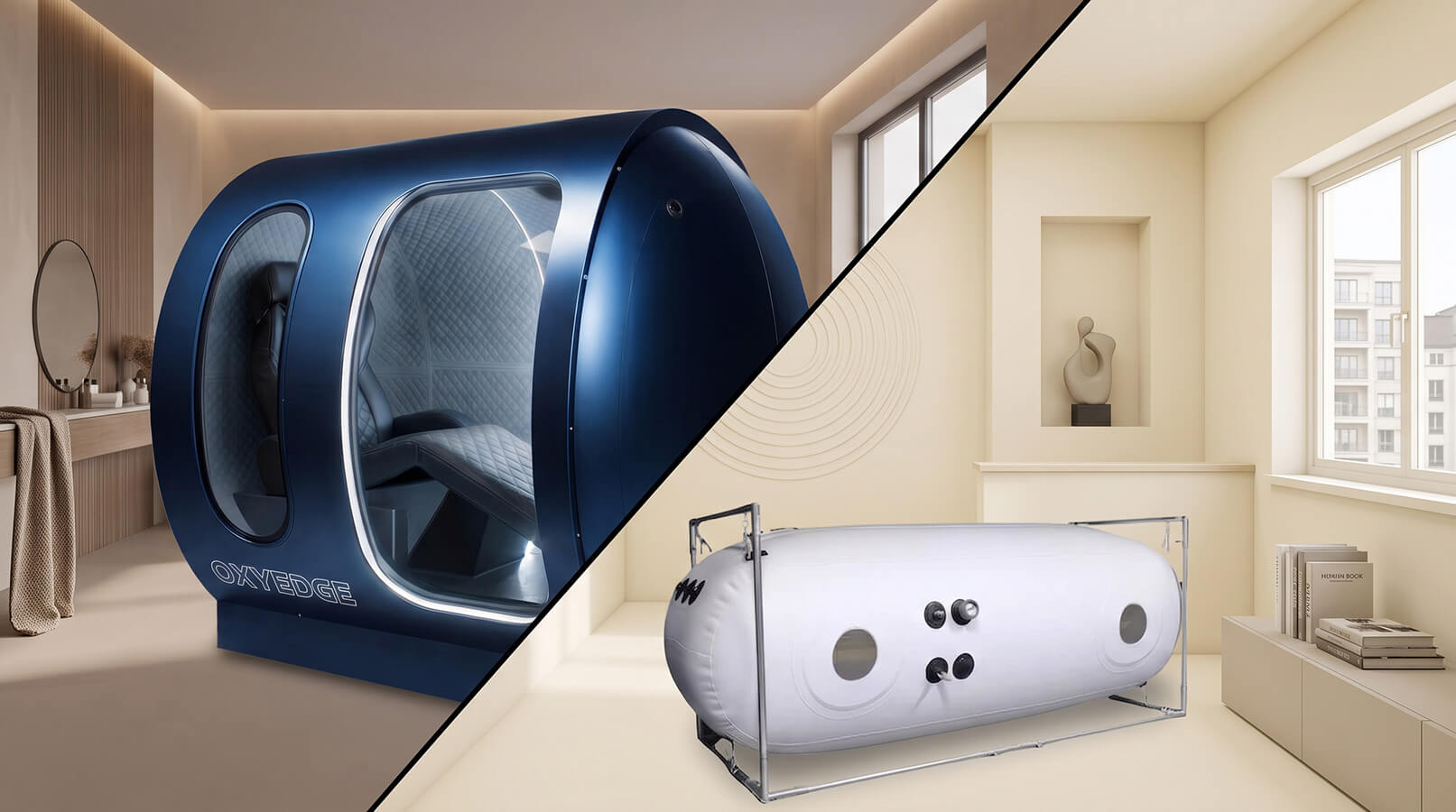
Hard Shell Hyperbaric Chambers for Premium Wellness
A premium hyperbaric session should feel intentional from the moment a member enters the room. The equipment must look credible, operate predictably, and provide a level of comfort that supports repeat use. That is why hard shell hyperbaric chambers have become a serious consideration for wellness centers, recovery studios, performance facilities, hospitality properties, and discerning home owners.
For an operator, the purchase is not simply about adding another modality. It is a capital-equipment decision that affects room design, staff workflows, customer experience, maintenance planning, and the perceived quality of the entire facility. The right chamber can become a flagship service. The wrong one can create avoidable friction before the first paid session is delivered.
What Sets Hard Shell Hyperbaric Chambers Apart
A hard-shell chamber uses a rigid pressure vessel rather than a flexible inflatable enclosure. That fundamental construction difference affects nearly every part of ownership: pressure capability, interior space, entry and exit, noise control, climate management, longevity, and visual presentation.
For commercial environments, the rigid structure is particularly relevant. A pressure vessel designed for sustained operation can support a more refined session experience than an entry-level portable chamber. It also creates a more substantial physical presence in a recovery suite, where customers often associate equipment quality with the professionalism of the operator.
Hard-shell designs are available in several configurations. Single-person horizontal chambers suit private recovery rooms and home installations. Two-person units can support couples, family use, or a more spacious client experience. Seated and vertical walk-in chambers may be a stronger fit for members who prefer upright entry, need easier access, or want to read, work, or relax in a reclined chair during a session.
The best configuration depends on the business model. A high-volume studio may prioritize quick turnover and accessible walk-in entry. A luxury wellness club may prefer a spacious, feature-rich chamber that supports a premium booking price. A home buyer may place greater value on quiet operation, interior comfort, and a footprint that fits a dedicated wellness room.
Pressure Ratings Are Only One Part of the Decision
Pressure is a central specification, but it should not be evaluated in isolation. Mild hyperbaric chambers are commonly discussed by their ATA rating, which indicates the level of atmospheric pressure inside the chamber. Equipment rated up to 2.0 ATA occupies a different commercial category from low-pressure portable options, but a higher number alone does not define a better ownership experience.
Operators should ask how the pressure system is engineered, how consistently it performs over repeated sessions, and how clearly the controls communicate operating status. They should also consider the oxygen delivery system, ventilation, temperature control, and the quality of the customer interface.
A premium chamber should make the technical side feel controlled rather than intimidating. Touchscreen control, clear session settings, integrated communication, and predictable pressurization cycles reduce the burden on staff while helping clients feel at ease. In a staffed setting, that operational clarity matters as much as a specification sheet.
OxyEdge chambers are designed around this broader ownership standard, pairing pressure capability up to 2.0 ATA with high-output oxygen concentrators, climate-control systems, touchscreen interfaces, and OxyEdge OS™ chamber controls. The goal is not to turn a wellness session into a technical demonstration. It is to give operators the tools to deliver a polished, repeatable experience.
Comfort Drives Repeat Use and Revenue Potential
A chamber session can last long enough for small design compromises to become very noticeable. Interior dimensions, seating position, airflow, lighting, temperature, sound, and ease of entry all influence whether a customer sees the experience as a one-time novelty or a service worth adding to a recurring wellness routine.
This is where hard-shell construction can create meaningful separation. A larger interior gives clients room to settle in. Electric recliners, massage seating, integrated red-light options, and thoughtfully placed controls can elevate the session from functional to premium. Those features are not necessary for every facility, but they can be commercially relevant when the chamber is positioned as part of a luxury recovery menu.
There is also a practical accessibility consideration. Some clients are uncomfortable in tight, horizontal spaces, while others may have mobility limitations that make a walk-in or seated format more appropriate. A vertical or walk-in chamber can broaden the audience a center can serve while making staff assistance easier during entry and exit.
Comfort is therefore not a decorative add-on. It affects member adoption, review quality, package conversion, and the confidence staff have when introducing the service to first-time clients.
Plan the Room Before You Choose the Chamber
A chamber cannot be evaluated properly from exterior dimensions alone. Commercial buyers should begin with the room and work backward. Measure usable floor space, door clearances, ceiling height, electrical availability, ventilation needs, and the path from delivery point to final installation location.
The surrounding environment deserves equal attention. A chamber placed in a bright, acoustically controlled recovery room with organized storage and clear client flow will present differently from the same model installed in a crowded multipurpose space. Premium equipment needs an environment that supports its value.
Before placing an order, confirm these operational details:
- The finished room dimensions, including clearance for doors, service access, and client entry.
- Electrical requirements and whether a dedicated circuit is recommended for the selected configuration.
- Delivery access through exterior doors, hallways, elevators, and turns.
- Ventilation, room-temperature management, and any local building requirements that apply to the installation.
- Staffing expectations, customer screening procedures, session scheduling, and cleaning protocols.
This planning stage also protects the investment. A chamber that arrives without a clear installation path can delay launch, create additional labor costs, and compromise the client experience during the critical first weeks of operation.
Commercial-Grade Ownership Requires Real Support
The equipment purchase is only the beginning of the operating relationship. For a wellness-center owner, support should include product education, staff training, delivery coordination, installation resources, warranty coverage, technical assistance, and guidance on presenting the service responsibly.
Ask direct questions before committing. Who handles support after installation? What does the warranty cover, and for how long? Are replacement components and technical resources available in the United States? What training is provided to the people responsible for daily operation? A premium chamber should come with premium accountability.
Long-term reliability is especially important in membership-based facilities. If a chamber is central to a recovery package or monthly membership promise, unexpected downtime affects more than a single booking. It can affect retention and brand trust. Choosing commercial-grade equipment with a clear support path is a way to protect both utilization and reputation.
Keep Wellness Positioning Clear
Mild hyperbaric equipment should be presented carefully and accurately. These systems are wellness equipment and are not intended to diagnose, treat, cure, or prevent disease. Operators should avoid medical claims, disease-specific marketing, and language that suggests a chamber session replaces professional medical care.
That discipline is not a limitation on premium positioning. A center can confidently discuss relaxation, recovery-focused routines, controlled comfort, elevated amenities, and a thoughtfully designed wellness experience without making unsupported promises. Clear education also helps staff answer questions consistently and keeps the customer conversation aligned with the facility's non-medical wellness model.
Select for the Experience You Intend to Deliver
The strongest chamber choice is rarely the least expensive unit or the model with the longest feature list. It is the one that matches the service environment, client profile, available space, staffing model, and revenue strategy.
A performance facility may need a durable, efficient chamber that integrates cleanly into athlete scheduling. A boutique recovery studio may benefit from a visually striking walk-in model with luxury seating and additional wellness features. A private home may call for quiet operation, simple controls, and a refined design that belongs beside the rest of the owner’s wellness equipment.
Start with the session you want clients to remember, then evaluate the pressure vessel, configuration, controls, comfort features, installation requirements, and support structure required to deliver it consistently. That approach turns a hard-shell chamber from an impressive piece of equipment into a durable, revenue-aware cornerstone of a premium wellness operation.
Source: https://oxyedge.ai/hard-shell-hyperbaric-chambers-premium-wellness