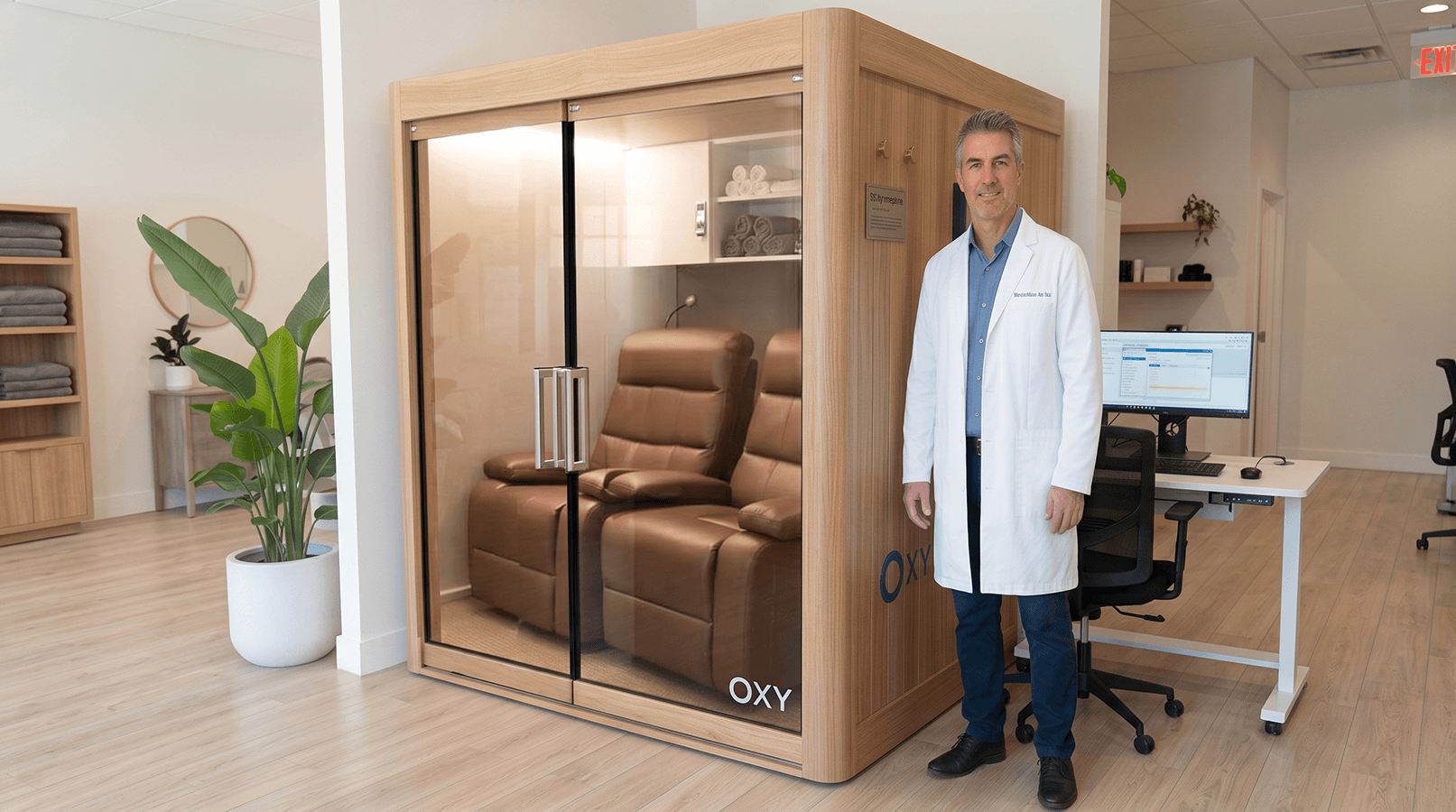
Commercial Wellness Equipment That Earns Its Floor
A premium recovery room can lose credibility quickly when its commercial wellness equipment looks residential, creates a complicated staff workflow, or fails to deliver the comfort guests expect at a luxury price point. For operators, the purchase is not simply about adding another modality. It is about building a reliable, polished session experience that fits the facility, supports sustained operation, and gives members a reason to return.
For a wellness studio, athletic-performance facility, upscale gym, or hospitality property, equipment selection should start with the operating model. The right system is the one that aligns capacity, physical footprint, staffing, customer experience, and revenue strategy - not necessarily the one with the longest feature list.
What Makes Wellness Equipment Commercial-Grade?
Commercial-grade is more than a marketing label. It describes equipment engineered for frequent use, repeatable operation, professional presentation, and long-term ownership. A system intended for a private residence may be comfortable for occasional use, but a customer-facing environment requires a different standard.
Start with construction. Hard-shell pressure vessels, durable interior finishes, commercial electronics, serviceable components, and clear control systems matter because they affect both uptime and perception. Guests notice how a chamber door closes, whether seating feels intentional, whether the cabin temperature remains comfortable, and whether the controls appear understandable. Those details shape confidence before a session begins.
Operational design matters just as much. A commercial setting needs equipment that staff can prepare consistently, explain accurately, clean efficiently, and monitor without turning every appointment into a technical project. Touchscreen control, defined operating procedures, climate control, clear visual feedback, and training resources help transform a sophisticated wellness system into a manageable service.
For mild hyperbaric environments, pressure capability should be evaluated alongside vessel design, oxygen delivery configuration, comfort, and support. A chamber rated up to 2.0 ATA offers a different specification profile than lower-pressure alternatives, but the right configuration still depends on the operator's customer experience, staffing plan, and intended session menu. These systems should be represented carefully as non-medical wellness equipment, not as products intended to diagnose, treat, cure, or prevent disease.
Choose Commercial Wellness Equipment Around Throughput
A beautiful recovery suite that cannot move guests through it efficiently becomes an expensive showroom. Before comparing finishes, screens, or accessory packages, calculate how the equipment will function during a busy operating day.
Capacity Is a Revenue and Service Decision
Single-person systems can support privacy, focused recovery appointments, and a compact floor plan. They can be a strong fit for boutique studios, personal training facilities, or membership concepts where one-on-one service is part of the value proposition.
Two-person, seated, vertical, walk-in, and reclined configurations introduce different possibilities. A two-person chamber may support paired sessions and hospitality-oriented experiences. A walk-in or larger cabin can improve accessibility and reduce the intimidation factor for guests who prefer more room. Reclined seating can elevate comfort during longer sessions, while seated configurations may better suit a quicker turnover model.
There is no universal winner. Larger equipment can raise the quality of the guest experience and potentially increase session capacity, but it also requires more floor space, a more deliberate installation plan, and a clear utilization strategy. A smaller system that stays booked is often a stronger asset than a flagship unit that is underused.
Staff Time Is Part of the Cost
Every modality carries a labor requirement. Consider who will greet the guest, complete pre-session education, prepare the equipment, reset the room, and answer basic operational questions. If a system requires constant intervention, its apparent revenue potential can be reduced by labor cost and inconsistent scheduling.
The strongest commercial systems make staff management easier through intuitive interfaces, reliable controls, documentation, and supplier training. Operators should ask practical questions before buying: How is the unit started and monitored? What is the room-reset process? What routine maintenance is expected? Who provides technical support when a question arises during business hours?
A premium session should feel calm to the customer, even when sophisticated engineering is working behind the scenes.
Build a Complete Recovery Experience, Not a Modality Pile
Mild hyperbaric chambers, whole-body cold wellness systems, full-body red-light beds, high-output red-light enclosures, and PEMF wellness mats can each serve distinct roles in a premium recovery menu. The mistake is purchasing them as isolated attractions without considering how customers will understand, schedule, and combine the experiences.
A well-designed service menu gives each modality a purpose. Cold wellness may fit a short, high-energy visit. A red-light bed can provide a private, visually elevated session. A PEMF mat may suit a quieter recovery area or an add-on to another appointment. A mild hyperbaric chamber can anchor a longer, more immersive wellness session. The exact sequence and packaging should be guided by customer preference, available staffing, and responsible wellness education rather than treatment promises.
This is where design becomes commercial strategy. A cohesive room layout, consistent finishes, and intentional transitions between services can make several modalities feel like one premium program. Conversely, equipment placed wherever an outlet was available can make even expensive systems feel improvised.
Evaluate the Ownership Details Before You Sign
Capital equipment should be assessed beyond its purchase price. The real comparison includes delivery requirements, site readiness, installation coordination, warranty language, maintenance expectations, support availability, and the practical cost of downtime.
For large hard-shell chambers, confirm dimensions, access paths, door clearances, ceiling height, power needs, ventilation considerations, and the final location before ordering. A unit that fits on a floor plan may not fit through the building entrance. Hospitality properties and leased commercial spaces may also require facilities approval, insurance review, or landlord coordination.
Ask suppliers to explain the difference between standard warranty coverage and ongoing technical support. Clear warranty terms are a mark of a serious equipment partner, but operators also need to know what happens after installation. Is there U.S.-based customer support? Is training available for staff turnover? Are installation resources and business-development tools offered? Can the supplier support the equipment as the business expands?
OxyEdge approaches these questions as part of the equipment decision, pairing premium hard-shell mild hyperbaric chamber configurations with customer education, delivery coordination, training, warranty coverage, and U.S.-based support. That level of planning helps operators focus on the guest experience rather than assembling an operational system on their own.
Match the Equipment to Your Customer Promise
The best commercial wellness equipment reflects the type of business you are building. A performance-focused facility may prioritize durable throughput, clear protocols, and practical scheduling. A luxury wellness club may place more weight on interior design, privacy, reclined comfort, and premium upgrades such as integrated red light or massage seating. A home buyer may want commercial-quality construction with a more personal, plug-and-play ownership experience.
Price positioning should follow that promise. If a facility plans to charge premium rates, the room, equipment, onboarding, and staff presentation must justify the experience. Equipment alone does not create perceived value. The surrounding details do: how a guest is welcomed, how confidently the session is explained, how clean the environment feels, and how reliably every appointment starts on time.
Operators should also avoid building a service menu around unsupported health claims. Clear, disciplined wellness language protects the business and sets appropriate customer expectations. Position the experience around comfort, relaxation, recovery routines, performance-oriented lifestyles, and premium wellness access, while maintaining the distinction between wellness equipment and medical treatment.
Make the Floor Plan Earn Its Keep
Before requesting a final quote, map the customer journey from check-in to exit. Identify where guests wait, change, receive education, store personal items, complete sessions, and transition back into the facility. Then place equipment around that journey rather than treating each unit as a standalone purchase.
The right equipment decision is one your team can operate with confidence on a full calendar, your customers can understand without friction, and your facility can present with pride. When commercial wellness equipment is selected as a durable operating asset instead of a novelty, it can become one of the clearest expressions of what your business stands for.