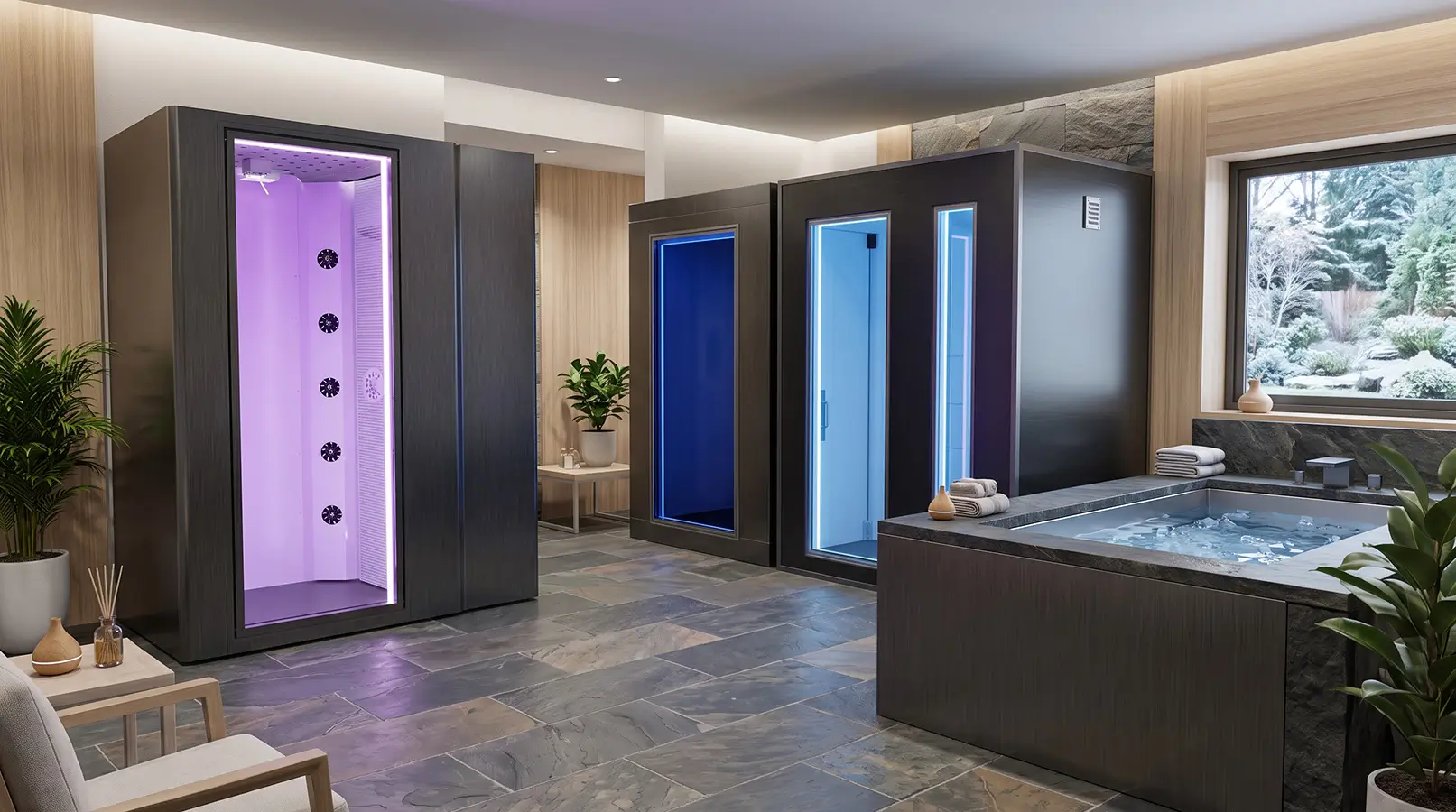
Commercial Cold Therapy Equipment for Wellness Centers
A cold plunge may look simple from across the room. For an operator, commercial cold therapy equipment is a water-management system, a guest-experience asset, and a recurring operational responsibility packaged into one premium service. The difference between an impressive recovery offering and an unreliable amenity often comes down to what happens between sessions: temperature recovery, water quality, cleaning workflow, staff control, and the equipment's ability to sustain use.
For boutique wellness centers, performance facilities, luxury hospitality properties, and membership-based recovery concepts, the buying decision should begin with the operating model. A residential unit may suit occasional private use. A commercial-grade system must support predictable sessions, present well in a premium environment, and give staff a clear process for preparation and turnover.
What Commercial Cold Therapy Equipment Must Do
Commercial cold therapy equipment is designed for repeatable use in shared environments. That does not mean every facility needs the largest system or the lowest possible water temperature. It means the system must be matched to expected traffic, staffing, room conditions, and the standard of experience the business intends to deliver.
The first question is throughput. A private-home owner may use a plunge once or twice per day. A studio may schedule consecutive appointments during peak hours, with guests entering at different body temperatures, different comfort levels, and different levels of familiarity with cold exposure. Each entry adds heat and contaminants to the water. Equipment capacity, filtration, sanitation, and recovery performance all become operational variables rather than background specifications.
The second question is presentation. In a premium recovery room, exposed hoses, noisy machinery, condensation, and difficult guest entry can undermine the experience before a session begins. Cabinet finish, footprint, access height, drainage planning, lighting, controls, and acoustics deserve the same attention as chiller specifications. Luxury is not only visual. It is the sense that a guest can arrive, receive straightforward guidance, and complete a controlled session without friction.
Start With the Facility, Not the Product
A capable cold system cannot compensate for an underplanned room. Before comparing equipment, define the conditions it will operate within.
Estimate Real Session Volume
Do not size a system around the number of memberships sold. Size it around peak-hour use. Consider how many cold sessions may occur during the busiest two or three hours, how much time staff need for turnover, and whether the plunge is a standalone appointment or part of a sequence with red light, PEMF, sauna, compression, or mild hyperbaric wellness equipment.
A high-volume facility may need more than one unit even if a single larger plunge physically fits the room. Two stations can improve scheduling flexibility, reduce bottlenecks, and allow one unit to be serviced without closing the entire offering. Conversely, a lower-volume concierge studio may prioritize a flagship single-user unit with elevated aesthetics and a highly guided experience.
Plan Utilities and Environmental Control
Cold-water equipment requires more than floor space. Confirm electrical requirements, dedicated circuits where specified, water supply needs, drainage route, floor load, ventilation, and clearance for service access. A system placed tightly against finished walls may look clean on opening day but create avoidable service complications later.
Humidity is especially relevant. Cold surfaces can create condensation when room air is warm and humid. That moisture can affect flooring, wall finishes, nearby electronics, and guest safety. A well-designed installation considers dehumidification, air circulation, slip-resistant flooring, and a drain strategy from the beginning. These details protect the asset and preserve the polished feel customers expect.
Set a Temperature Policy That Fits Your Brand
Lowest temperature is not automatically best. A facility should establish a staff-managed operating range aligned with its session model, guest education, and equipment capability. Extremely cold setpoints can increase demand on the system, affect recovery time between users, and narrow the comfort range for new guests.
A better premium model is controlled consistency. Touchscreen control, clear setpoint visibility, and defined staff procedures help deliver the same intended experience from the first appointment of the day to the last. Operators should also provide appropriate wellness-oriented guidance and screening procedures within their own policies, without presenting cold exposure as a treatment for medical conditions.
The Specifications That Matter Most
Buyers often compare one headline number and stop there. Water temperature matters, but it is only one part of commercial performance.
Chilling Capacity and Temperature Recovery
Ask how the equipment performs after actual use, not only what temperature it can reach in an empty tub under favorable conditions. Recovery rate depends on ambient temperature, water volume, incoming body heat, insulation, circulation, and chiller capacity. A system that reaches a low setpoint overnight but struggles through a busy afternoon may not fit a commercial operation.
Request clarity on expected operating conditions. If the unit will live in a warm training facility or a sunlit hospitality environment, that context matters. Commercial evaluation should account for the room you have, not an idealized test environment.
Filtration, Sanitation, and Water Turnover
Water quality is central to guest confidence and staff workload. Evaluate the filtration architecture, sanitation method, circulation schedule, ease of accessing serviceable components, and the manufacturer's cleaning requirements. There is no maintenance-free shared-water system. Any vendor suggestion to the contrary deserves scrutiny.
The right process depends on traffic and local requirements, but the principle is consistent: staff need a documented routine for testing, cleaning, water changes, and recordkeeping. If your team cannot execute the routine quickly and consistently, the system is not operationally simple enough for the business.
Ask whether filters are standard or proprietary, what consumables cost, how often they are replaced, and whether routine maintenance can be performed by trained staff. Also clarify how the system handles debris, oils, and changing water conditions under repeated guest use. The purchase price is only one part of ownership cost.
Construction, Insulation, and Service Access
Commercial-grade construction should be evaluated in practical terms. Look for durable surfaces that tolerate regular cleaning, insulation that supports temperature stability, quality plumbing connections, and components accessible for inspection and service. A visually dramatic tub with concealed essentials may be difficult to maintain when it matters most.
The enclosure should also support safe, dignified entry and exit. Consider rim height, steps, handholds, interior dimensions, and how water displacement is managed. These features affect guest comfort, housekeeping, and liability exposure. They are not secondary design details.
Build the Session Around the Operator
The strongest recovery concepts are repeatable. Staff should be able to prepare the space, explain the experience, monitor basic session parameters, reset the room, and document issues without needing a technical specialist on every shift.
That requires controls that are intuitive and information that is visible. A touchscreen interface can be valuable when it simplifies temperature confirmation, schedules, alerts, and maintenance prompts. It is less valuable if it adds complexity without giving the operator better command of the session.
Create a written opening checklist, between-session reset procedure, and closing inspection. Keep towels, sanitation supplies, floor-care tools, and guest instructions organized around the actual workflow. The room should support the team, not force the team to improvise. Small operating disciplines become meaningful when a facility runs hundreds of sessions each month.
For multi-modality studios, sequence matters as well. Cold wellness sessions can be positioned as one part of a premium recovery menu, alongside other non-medical wellness experiences. The business opportunity is not simply adding another machine. It is designing a clear, comfortable service path that supports bookings, memberships, upgrades, and return visits.
Compare Ownership Cost, Not Just Purchase Price
A lower-priced unit can become expensive if it requires frequent downtime, difficult water maintenance, replacement parts with long lead times, or a room retrofit that was not identified during planning. A more capable system may justify its cost when it improves uptime, staff efficiency, guest perception, and usable session volume.
Evaluate the full commercial package: equipment price, freight, delivery coordination, installation requirements, startup training, warranty terms, technical support response, consumables, planned maintenance, and available replacement parts. For a revenue-producing asset, support after delivery is part of the product.
This is where an equipment partner should be willing to discuss constraints plainly. A serious supplier will ask about the facility, traffic expectations, climate, staffing, and business model before recommending a configuration. OxyEdge approaches wellness equipment as a long-term operational asset, not a trend purchase, because the details behind daily performance are what protect the guest experience.
A Better Standard for a Premium Recovery Room
Commercial cold therapy equipment should earn its footprint every day. It should look appropriate in a flagship setting, deliver predictable water conditions, give staff manageable procedures, and remain serviceable as the business grows. The best choice is not necessarily the coldest, largest, or least expensive option. It is the system that fits the facility's actual demand and supports the level of hospitality the brand promises.
Before requesting quotes, walk your intended guest journey from arrival to exit. If the room, equipment, staff workflow, and maintenance plan all feel deliberate at each step, you are building more than a cold plunge offering. You are creating a recovery experience customers will be comfortable returning to.
Source: https://oxyedge.ai/commercial-cold-therapy-equipment